Memorials, Museums & Heritage Sites
- Honoring Brave Warriors
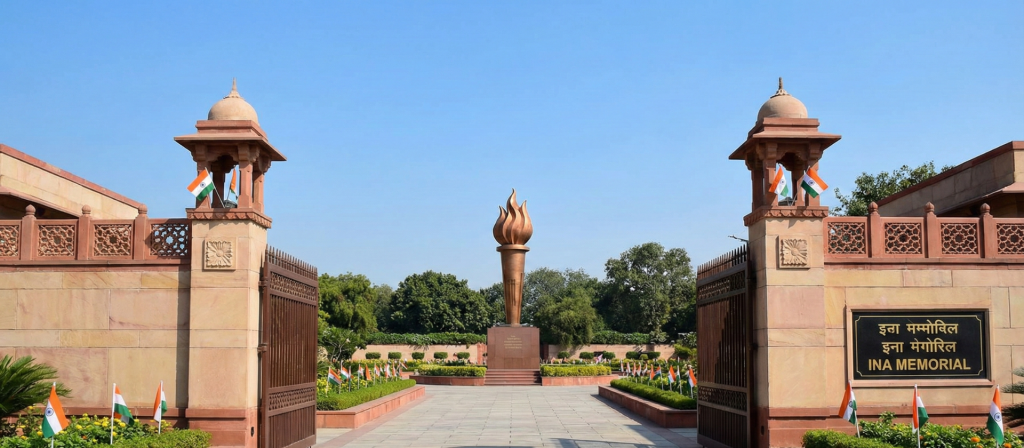
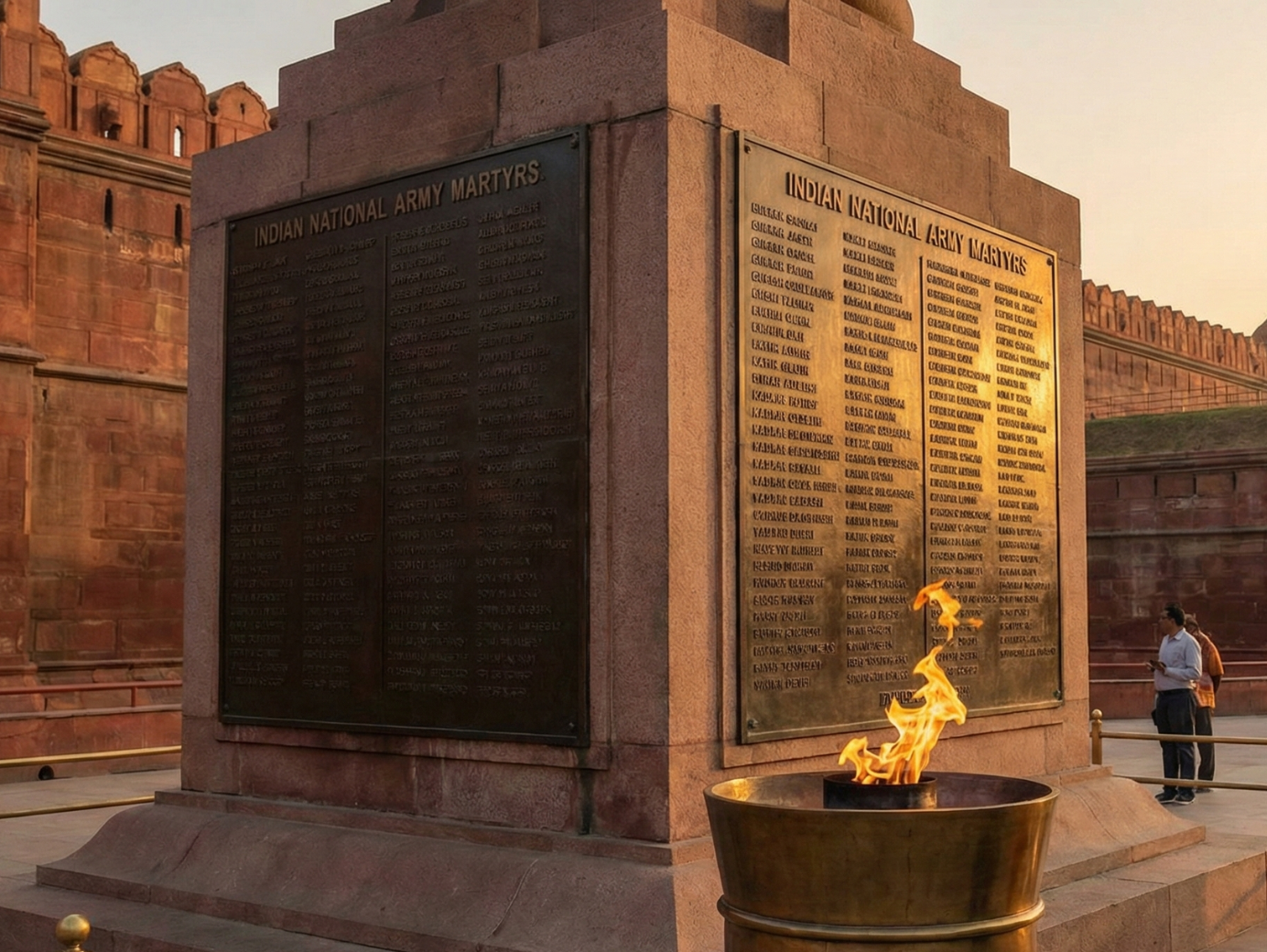
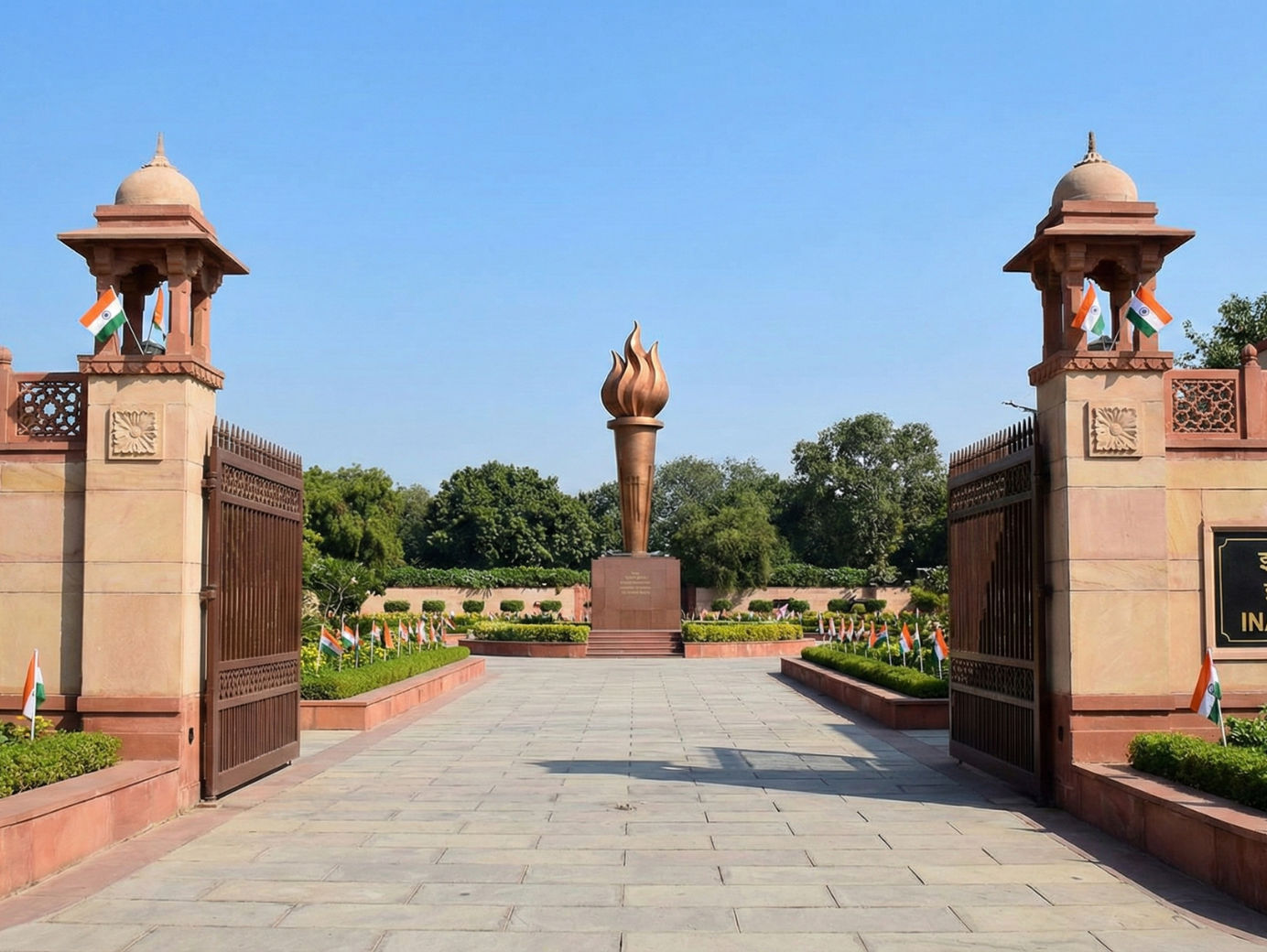
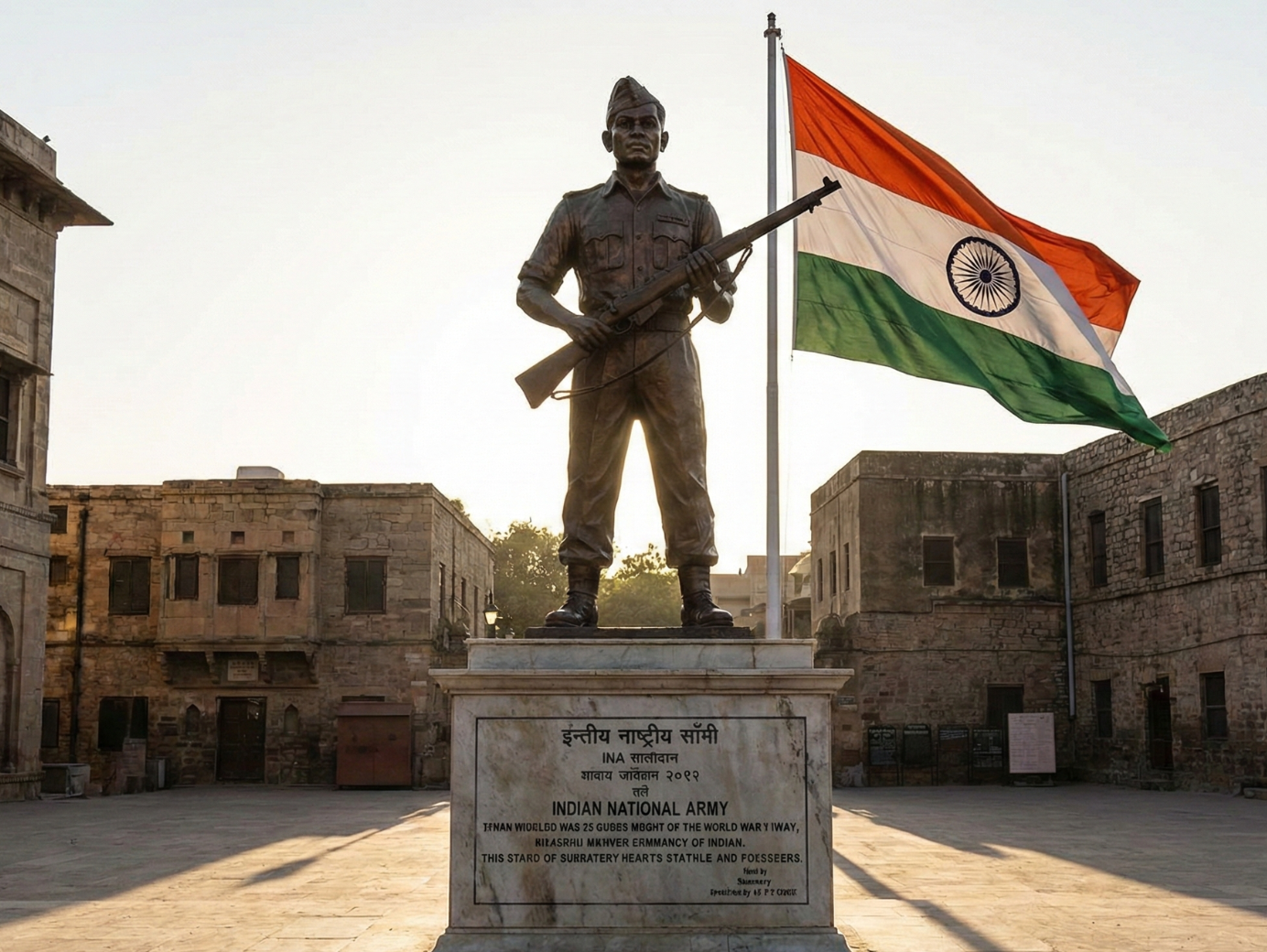
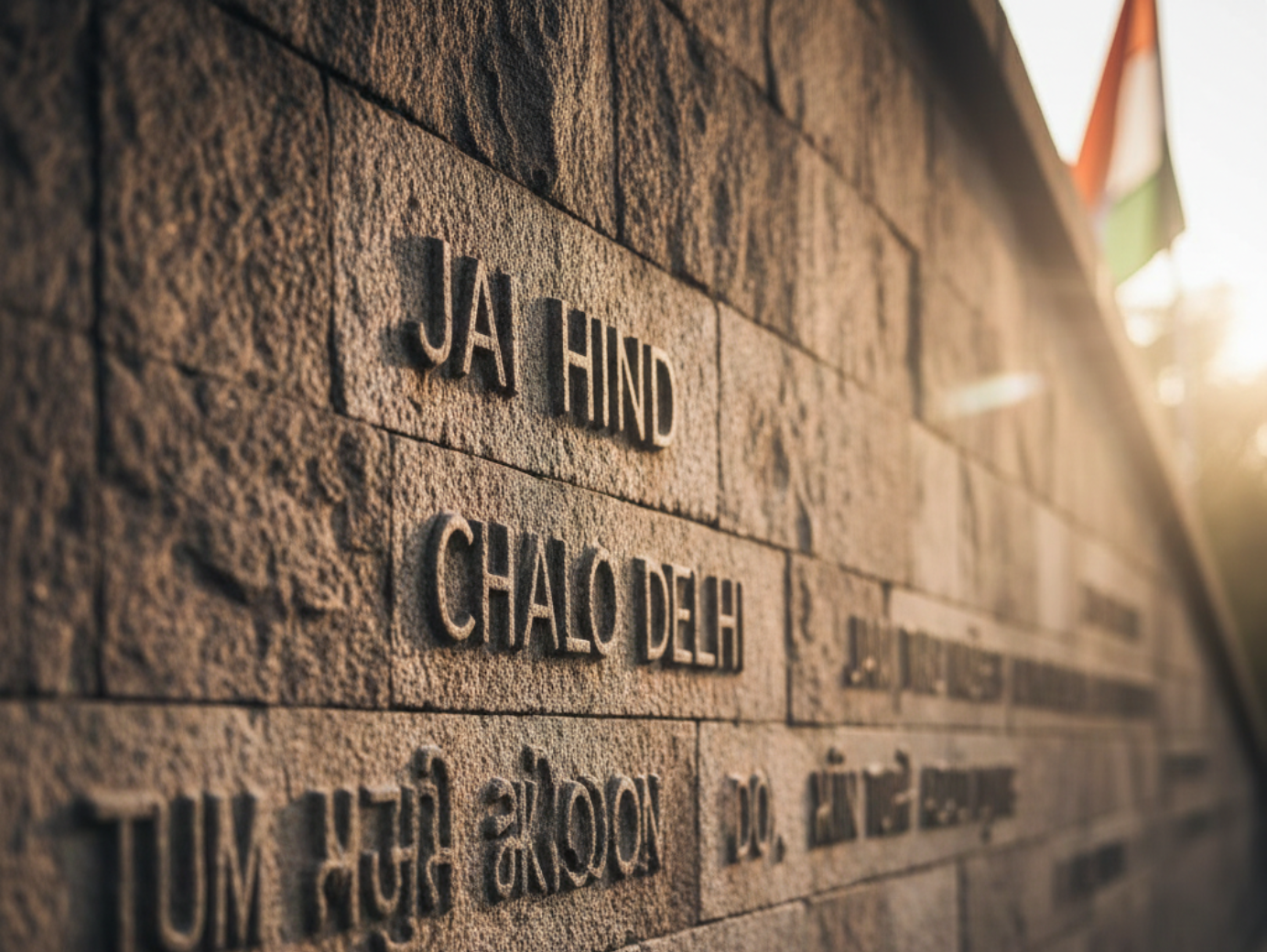
Red Fort INA Memorial
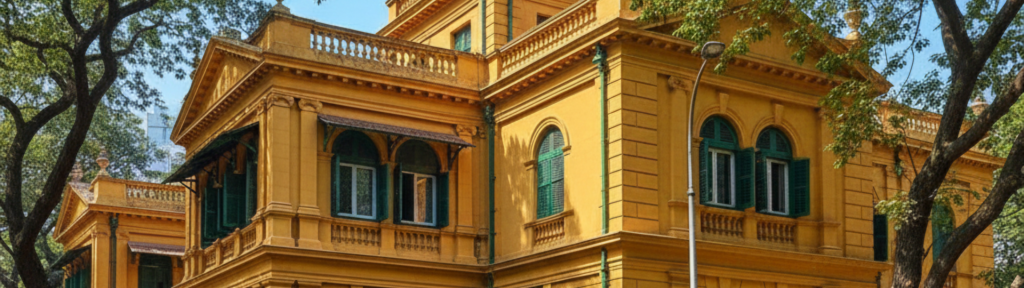
Netaji Bhawan, Kolkata
Netaji Bhawan in Kolkata, the ancestral home of Netaji Subhas Chandra Bose, stands today as a preserved heritage museum dedicated to his life and legacy. It was from this historic house that Netaji planned significant phases of his political journey, including his dramatic escape in 1941. The museum showcases personal belongings, photographs, documents, and INA memorabilia, offering visitors a powerful glimpse into the inspiring life of one of India’s greatest freedom leaders.
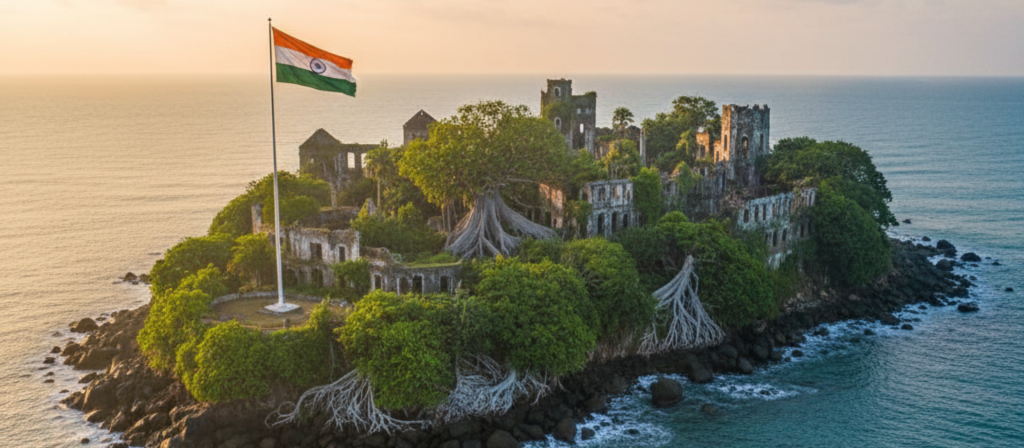
Ross Island / Subhas Chandra Bose Island
Formerly known as Ross Island, this historic location in the Andaman & Nicobar Islands was renamed Subhas Chandra Bose Island in 2018 to honor Netaji’s role in igniting the spirit of independence in India’s eastern territories. During World War II, when the Japanese took control of the Andamans, the island served as a strategic military base and administrative center. Netaji visited the island in December 1943 after forming the Provisional Government of Azad Hind, where he symbolically hoisted the tricolor and declared the islands liberated from British rule.
Renkoji Temple, Tokyo
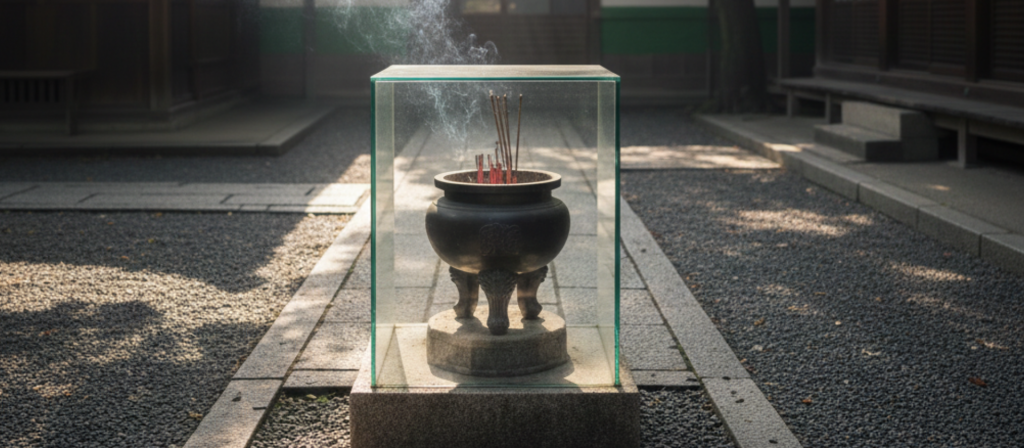
Renkoji Temple in Tokyo, Japan, is a peaceful Buddhist shrine known for preserving the remains believed to belong to Netaji Subhas Chandra Bose. Since 1945, the temple has served as a place of deep emotional significance for Indians honoring Netaji’s legacy. Many dignitaries, including Indian Prime Ministers and freedom activists, have visited the site to pay homage.
The urn preserved inside the temple continues to spark debate and historical inquiry, as the mystery surrounding Netaji’s final days remains unresolved. Yet, beyond the controversy, Renkoji Temple stands as a symbol of respect, gratitude, and eternal remembrance. The serene environment, memorial photographs, and prayer offerings reflect the enduring bond between India and Japan and the global admiration for Netaji’s sacrifices for India’s freedom.
Manipur War Cemeteries
The Manipur War Cemeteries, located in Imphal and Kohima, are solemn memorials dedicated to the soldiers who fought in the historic Imphal Campaign of 1944, one of the toughest battles of World War II. These sites honor thousands of Indian National Army (INA), Japanese, and Allied soldiers who lost their lives during Netaji Subhas Chandra Bose’s attempt to liberate India through the North-East military route.
The cemeteries stand today as reminders of immense courage, sacrifice, and the brutal realities of war. Maintained with great dignity, the beautifully arranged graves, manicured lawns, and memorial plaques inspire reflection on the price of freedom. For many, these cemeteries represent not just military history, but Netaji’s fierce determination and the emotional legacy carried by countless INA families.