
Global Journey & Great Escape
- Confined Yet Unbroken
House Arrest in Kolkata
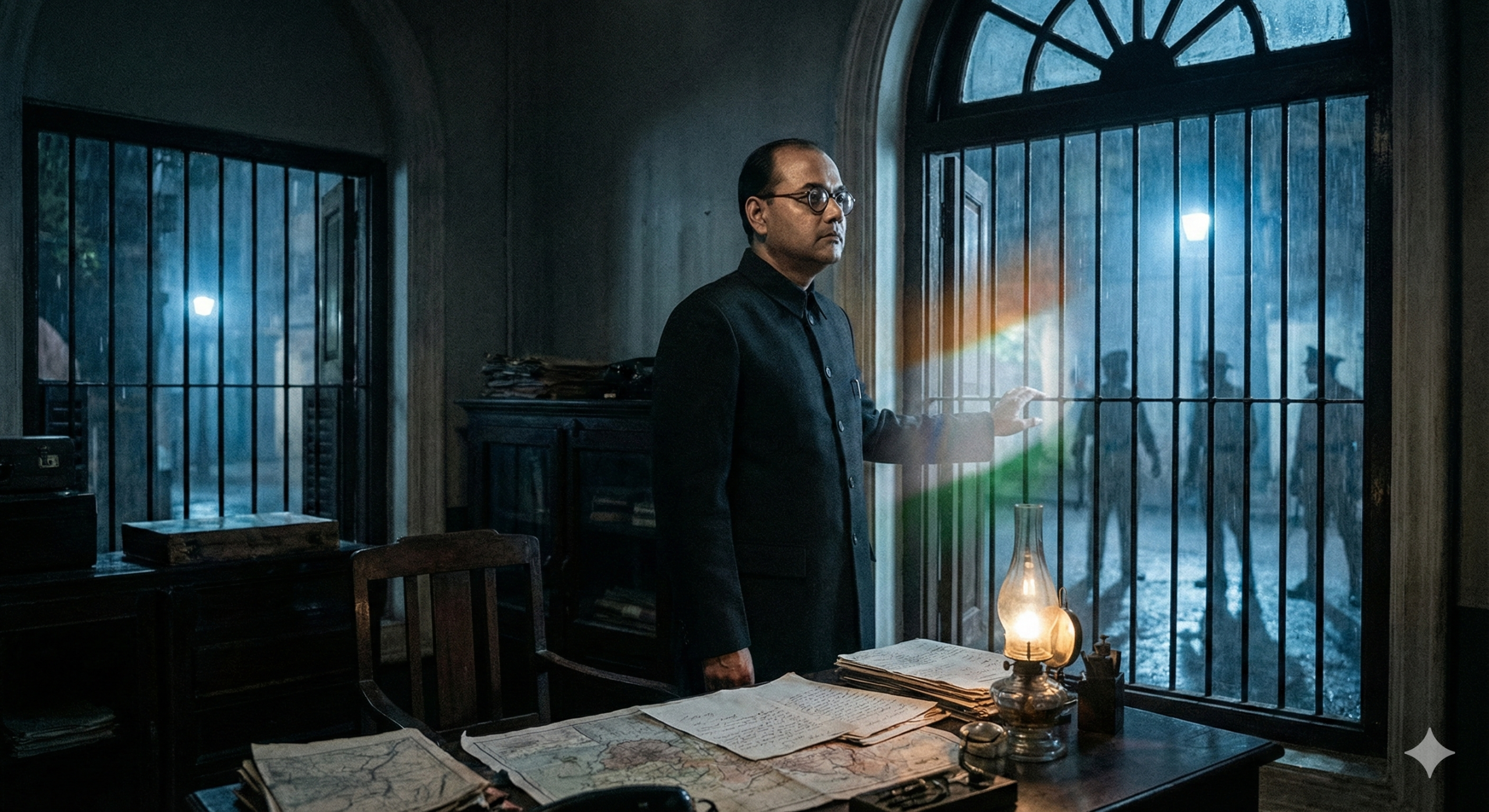
Netaji Subhas Chandra Bose was placed under house arrest in Kolkata by British authorities due to his rising influence and revolutionary activities. Confined within his own residence and constantly monitored by police surveillance, he continued strategizing secretly, maintaining contact with supporters and planning his next move. Despite restrictions, his spirit remained determined and unyielding. This period of forced confinement only strengthened his resolve, ultimately leading to his daring escape and renewed commitment to achieving India’s independence through bold action.
During this period, Netaji experienced intense psychological pressure, constant monitoring, and restricted movement, but his revolutionary vision remained undeterred. Instead of surrendering to limitations, he used the confinement as an opportunity to reflect, plan, and strengthen his mission for India’s liberation. The environment of surveillance only sharpened his strategic thinking, ultimately inspiring the meticulously planned and daring escape that shocked the British government and revived hope across the nation.
- Daring Midnight Escape
Disguise & Midnight Escape
Netaji, disguised as a Pathan, escaped house arrest at midnight and journeyed secretly by car to Gomoh, evading strict British surveillance.
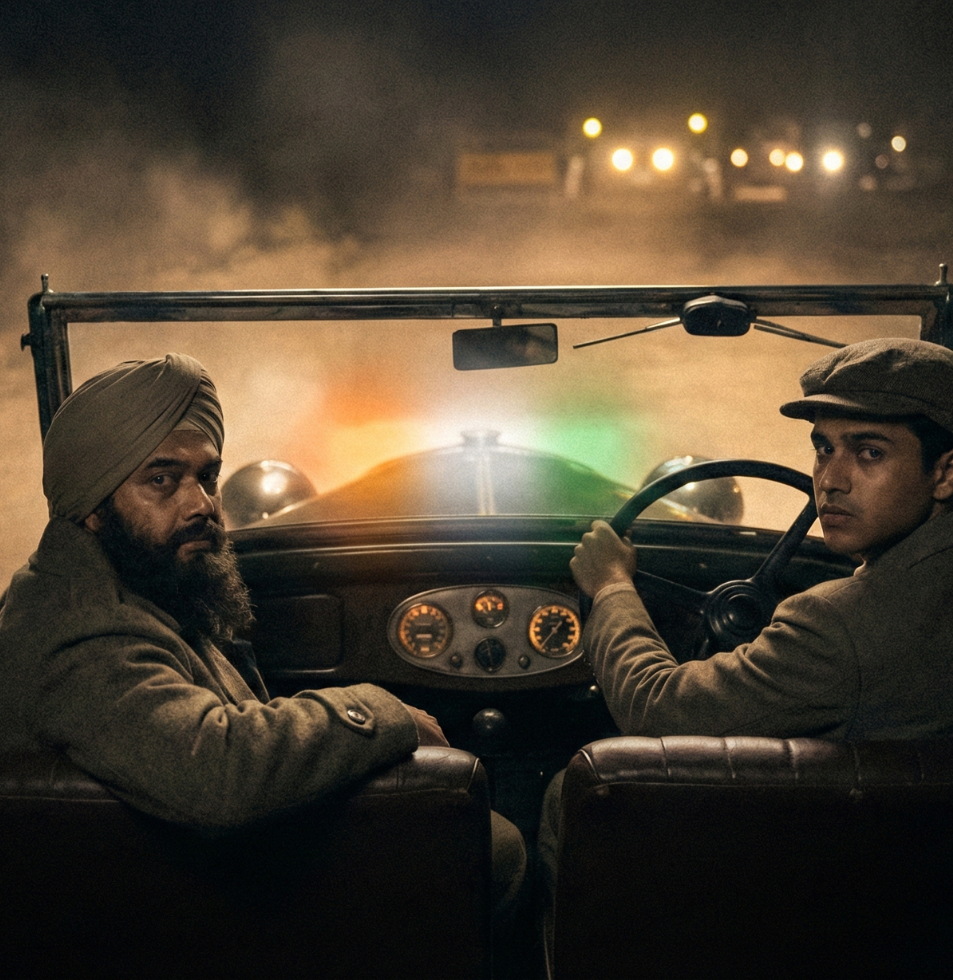
In January 1941, Netaji Subhas Chandra Bose executed one of the most daring escapes in India’s freedom struggle. Disguised as a Pathan and leaving his house in secrecy at midnight, he slipped past heavy British surveillance and began a covert journey toward freedom. Traveling in a car driven by his nephew, Sisir Kumar Bose, he moved through the night toward Gomoh railway station, evading checkpoints and police patrols. This daring escape marked a turning point, enabling Netaji to continue his mission on an international front.
The midnight journey was filled with risk and precision, relying on strategic planning and immense courage. Reaching Gomoh, Netaji boarded the Kalka Mail under a false identity, disappearing from British radar. News of his escape electrified the nation, strengthening the spirit of revolutionaries and intensifying the struggle for independence. It remains one of the most dramatic and legendary escape stories in history.
In January 1941, Netaji Subhas Chandra Bose executed one of the most daring escapes in India’s freedom struggle. Disguised as a Pathan and leaving his house in secrecy at midnight, he slipped past heavy British surveillance and began a covert journey toward freedom. Traveling in a car driven by his nephew, Sisir Kumar Bose, he moved through the night toward Gomoh railway station, evading checkpoints and police patrols. This daring escape marked a turning point, enabling Netaji to continue his mission on an international front.
The midnight journey was filled with risk and precision, relying on strategic planning and immense courage. Reaching Gomoh, Netaji boarded the Kalka Mail under a false identity, disappearing from British radar. News of his escape electrified the nation, strengthening the spirit of revolutionaries and intensifying the struggle for independence. It remains one of the most dramatic and legendary escape stories in history.
Through Afghanistan to Europe
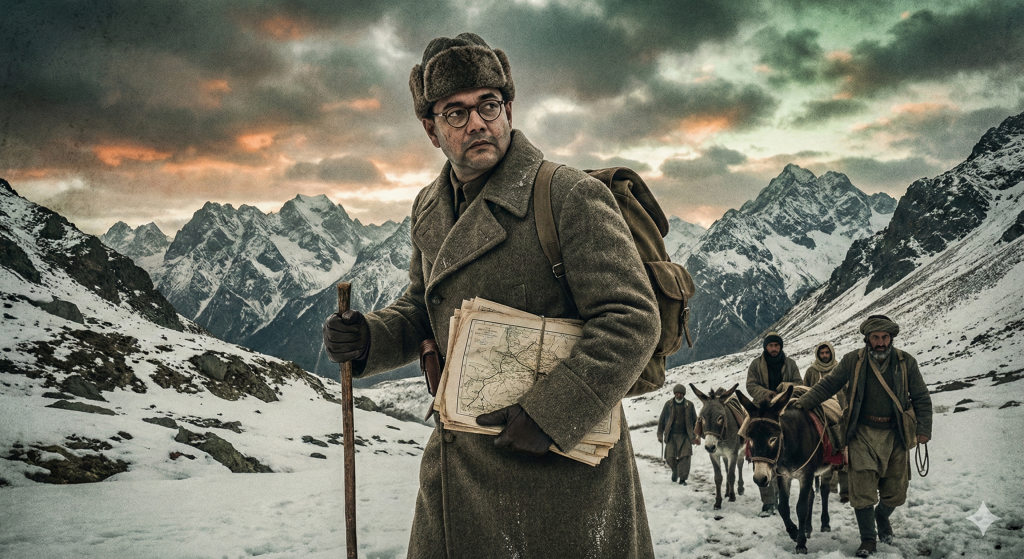
After escaping from India, Netaji Subhas Chandra Bose undertook a daring and covert journey through Afghanistan to reach Europe, navigating dangerous borders and using forged identities. Traveling as an Italian official named Orlando Mazzotta, he moved through Kabul and across the treacherous Khyber region under constant threat of exposure. With help from underground networks and anti-British contacts, he successfully reached Berlin, where he sought international support for India’s struggle for independence. This secret mission showcased his unmatched courage, resilience, and global vision for India’s freedom.
- Strategic Global Alliances
Meetings with Axis Powers
Netaji met Axis leaders to seek military and diplomatic support for India’s independence, negotiating bold alliances to challenge British rule on a global stage.
Germany: Hitler & Foreign Office
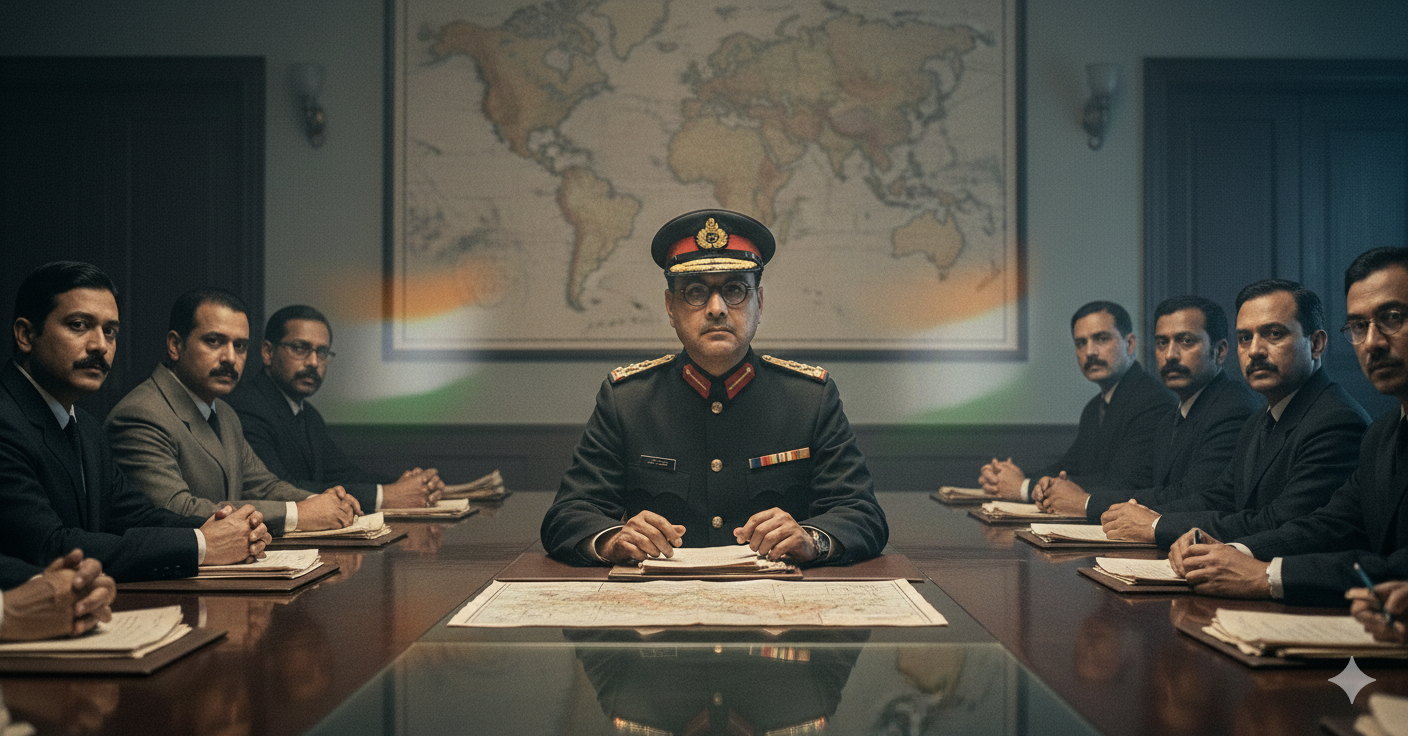
Lorem ipsum dolor sit amet, consectetur adipiscing elit. Ut elit tellus, luctus necWhile in Germany, Netaji Subhas Chandra Bose engaged with the German Foreign Office to seek international backing for India’s struggle for independence during World War II. He presented India’s case for complete freedom, emphasizing the need for military and diplomatic assistance. His discussions led to the formation of the Free India Centre and support for the creation of the Indian Legion from Indian prisoners of war. Although negotiations were complex due to global political tensions, Netaji demonstrated exceptional diplomatic skill and unwavering determination to secure India’s liberation from colonial rule. ullamcorper mattis, pulvinar dapibus leo.