
Azad Hind Fauj (INA) & Azad Hind Government
- Birth of INA
Formation & Structure of INA
The formation of the Indian National Army (INA) marked a turning point in the international phase of India’s freedom struggle. Built with the mission of achieving independence through armed resistance, the INA united Indian prisoners of war, overseas Indians, and passionate nationalists under one disciplined force. Subhas Chandra Bose reorganized the movement with military precision and a powerful vision, transforming a scattered group into a structured national army ready to challenge British rule.
Recruitment &
Reorganization
Bose revitalized the INA by recruiting Indian soldiers from Southeast Asia and reorganizing them into an efficient fighting force. His leadership brought discipline, morale, and a sense of national purpose among thousands who pledged to fight for India’s liberation.
Women’s Regiment: The Rani of Jhansi Regiment
One of INA’s most groundbreaking features was the formation of the Rani of Jhansi Regiment, a full women’s combat unit. This regiment symbolized empowerment, courage, and Bose’s belief that women had an equal role to play in the struggle for freedom.
Military Divisions & Command Structure
The INA was organized into brigades, battalions, and specialized units with clear command hierarchies. This structured military framework enabled effective training, coordination, and battlefield readiness, allowing the INA to operate like a professional national army.
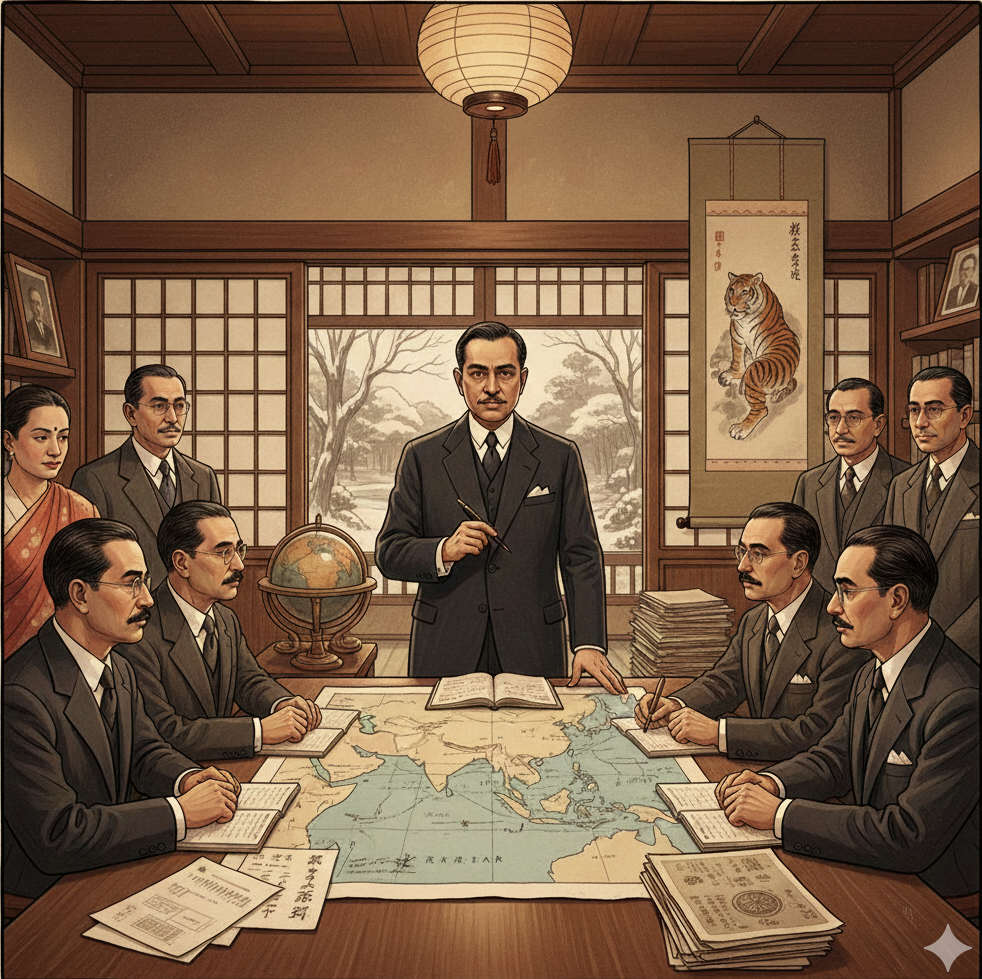
Role of Ras Behari Bose
Ras Behari Bose played a foundational role in shaping the international phase of India’s armed struggle for independence. A revolutionary long before the INA was formed, he carried the spirit of resistance from Bengal to Japan, where he tirelessly worked to unite Indian nationalists living abroad. His efforts to build diplomatic relationships, influence Japanese support, and organize Indian prisoners of war were crucial in laying the groundwork for a coordinated military movement. Through years of dedication and political networking, he created the platform on which a national army could emerge outside India.
His most enduring contribution was the formation of the Indian Independence League (IIL) and the first version of the Indian National Army (INA). Recognizing Subhas Chandra Bose as the leader capable of transforming the INA into a powerful liberation force, Ras Behari Bose invited him to take command in 1943. This transition marked the beginning of the INA’s most dynamic phase. Ras Behari Bose’s vision, sacrifice, and lifelong commitment ensured that the armed struggle gained international recognition and a structured foundation. His role remains that of a mentor, organizer, and a guiding force behind the INA’s rise.
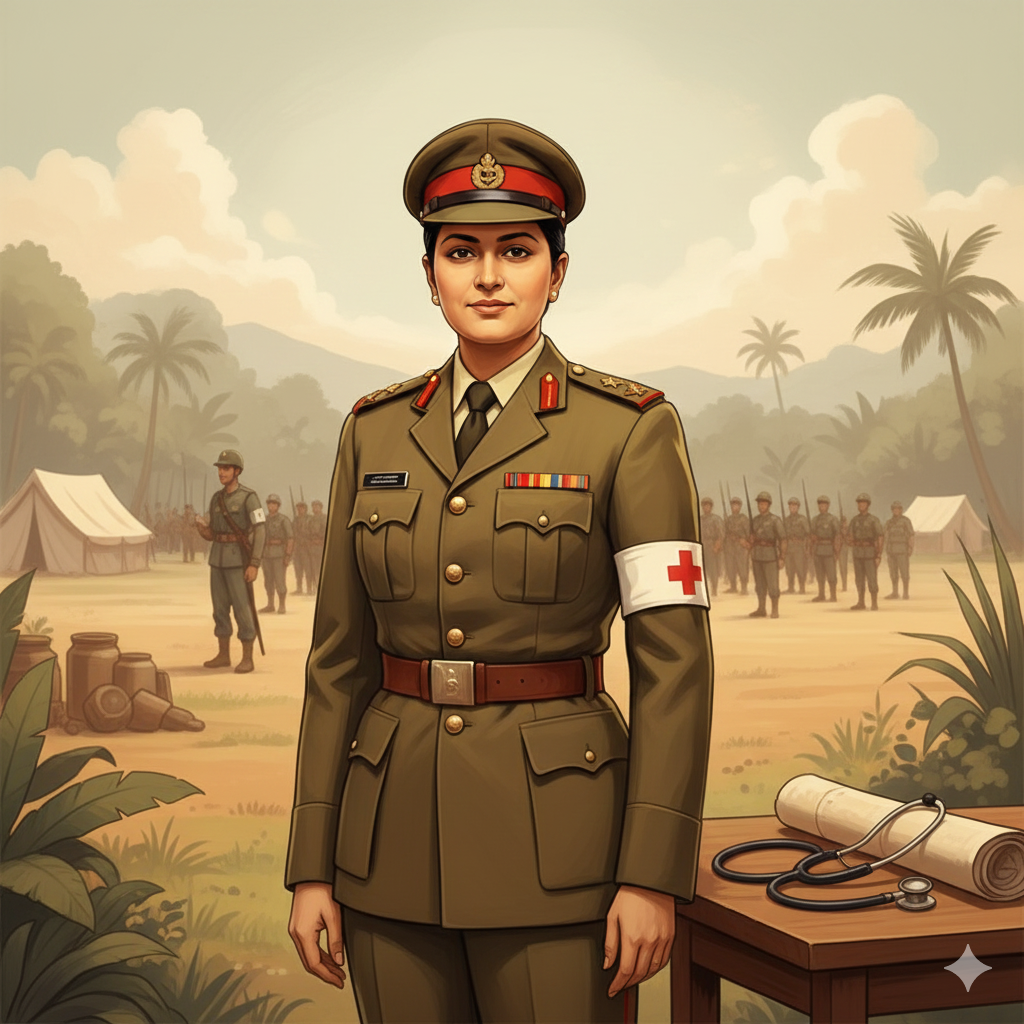
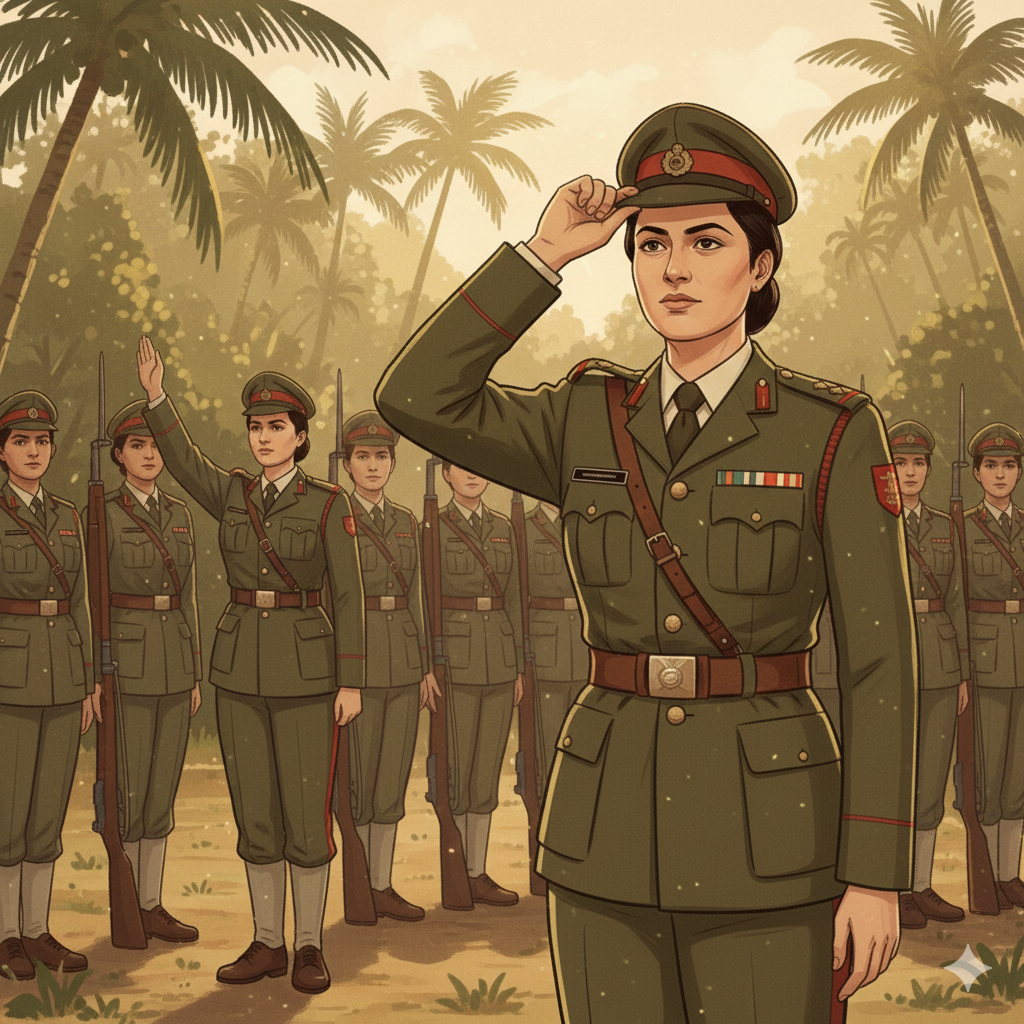
The Rani of Jhansi Regiment was one of the most groundbreaking and inspiring units of the Indian National Army, envisioned by Subhas Chandra Bose as a symbol of women’s strength and equal participation in the freedom struggle. Named after Rani Lakshmibai, the fearless queen who fought the British during the 1857 uprising, the regiment brought together hundreds of young women from across Southeast Asia who were willing to train, fight, and sacrifice for India’s independence. Their formation challenged traditional gender boundaries and demonstrated that the desire for freedom had united Indians beyond age, class, or gender.
At the center of this historic force stood Commander Lakshmi Sahgal, a trained doctor whose leadership, discipline, and compassionate strength shaped the regiment into a well-organized and deeply motivated unit. She personally oversaw training, medical care, and morale-building, becoming both a commander and a mentor to the women who joined the cause. Under her guidance, the regiment became a symbol of courage, empowerment, and revolutionary spirit, embodying Bose’s belief that women were not merely supporters of the movement but capable warriors in the fight for India’s liberation
- The Voice That Challenged British Propaganda
Azad Hind Radio & Speeches
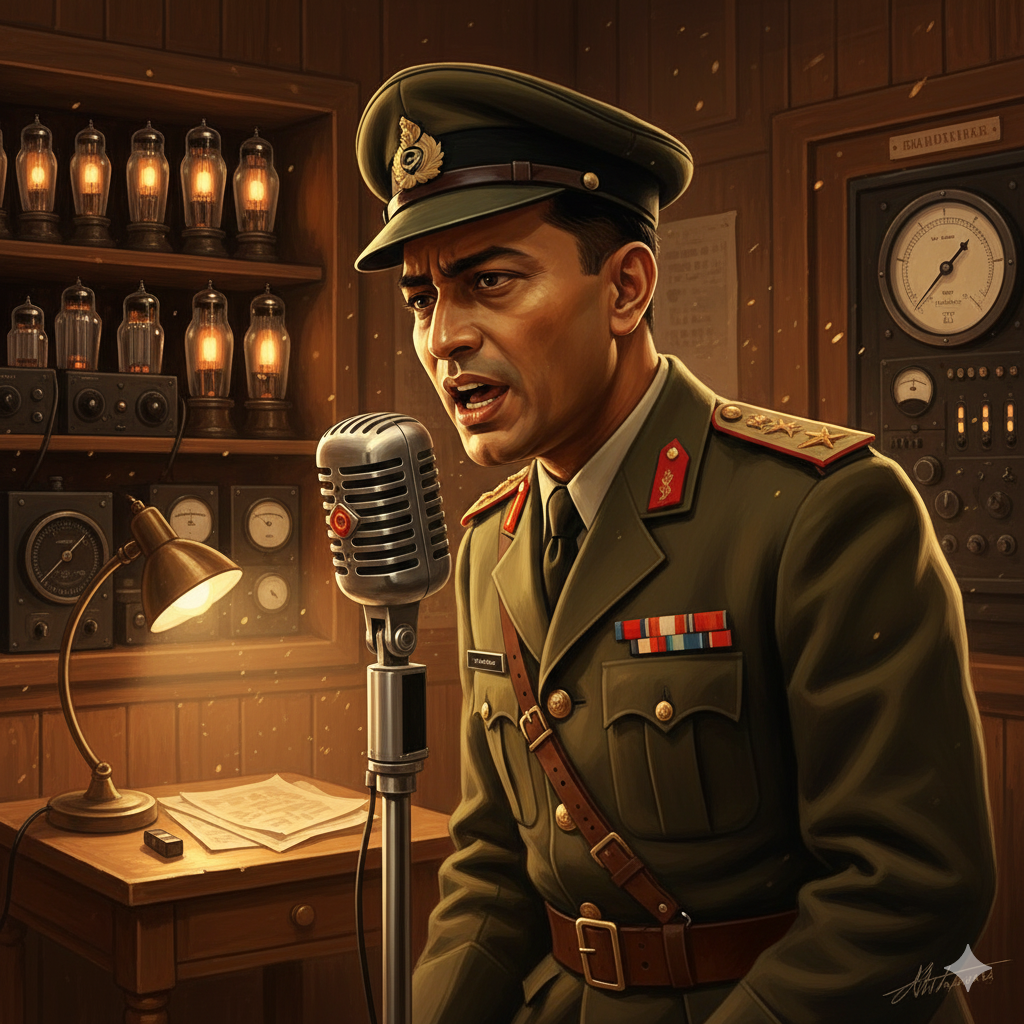
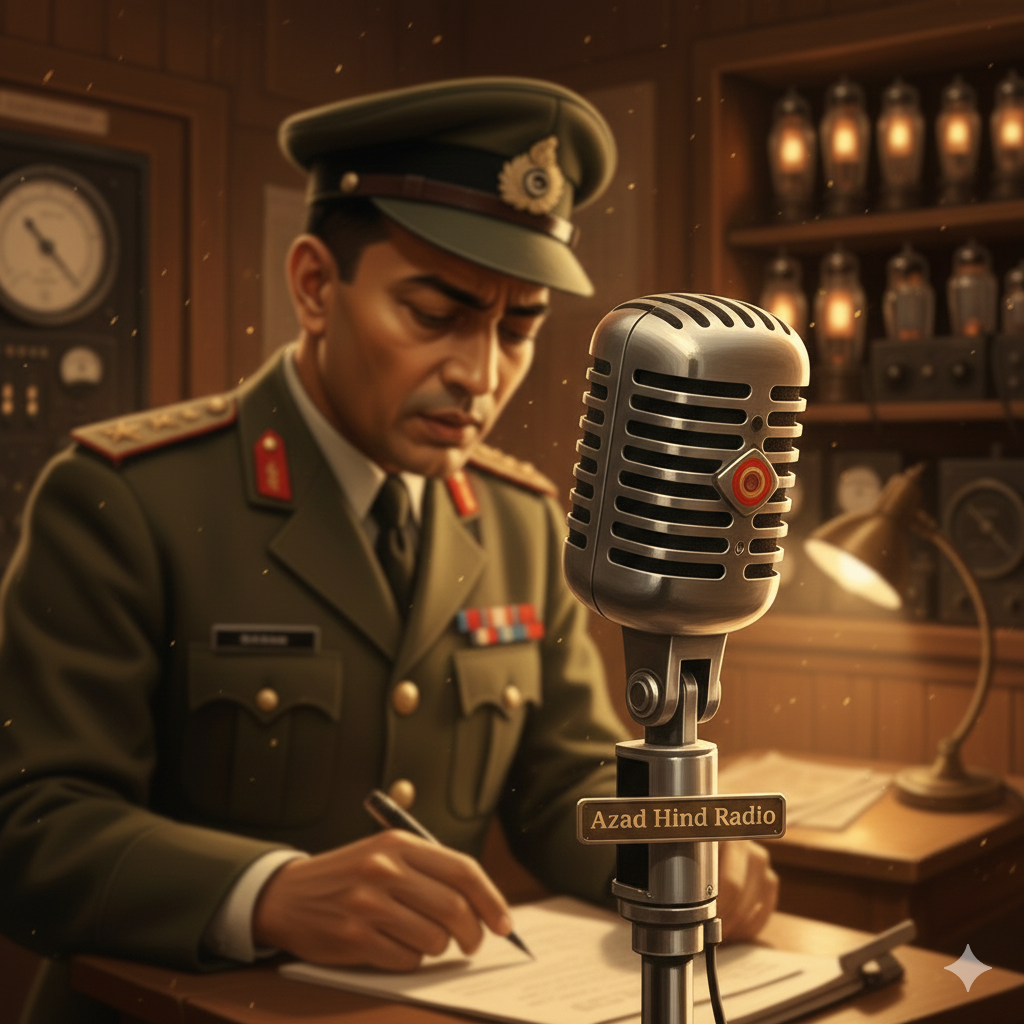
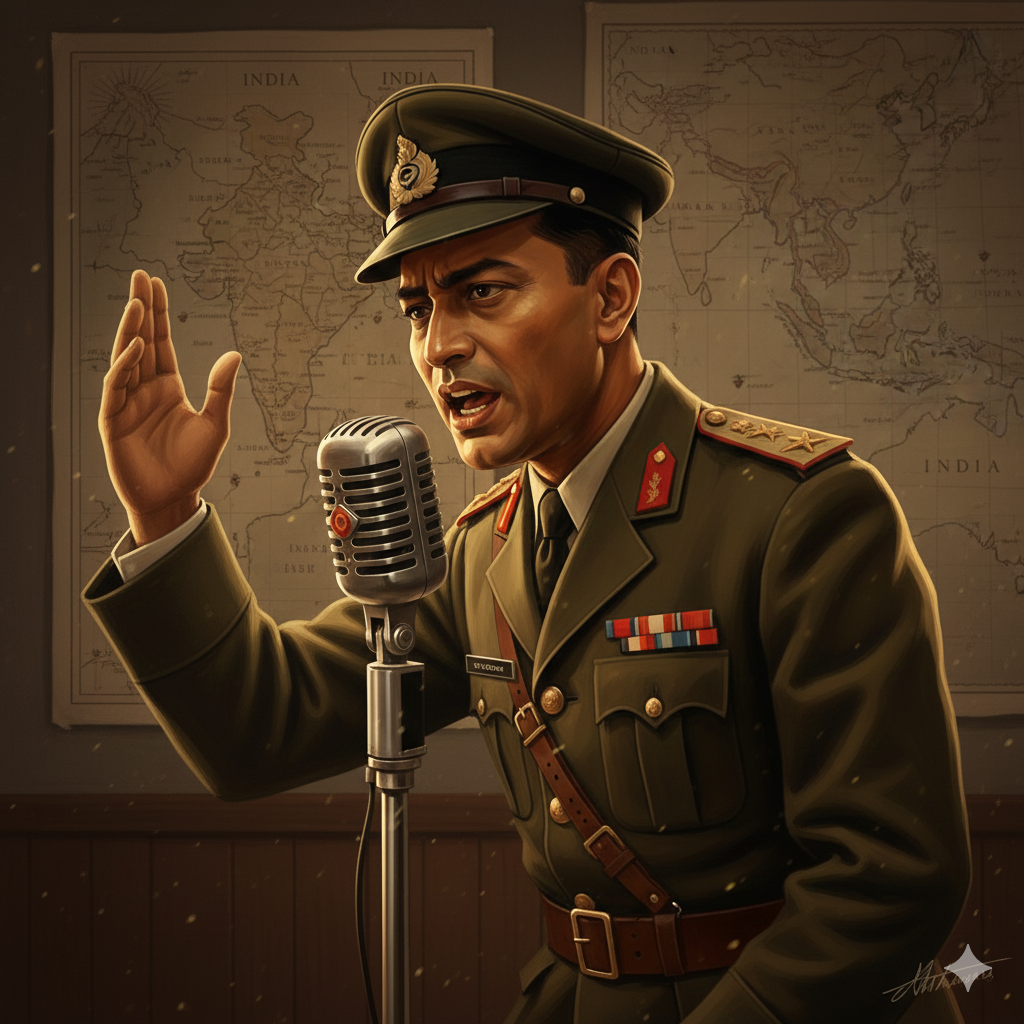
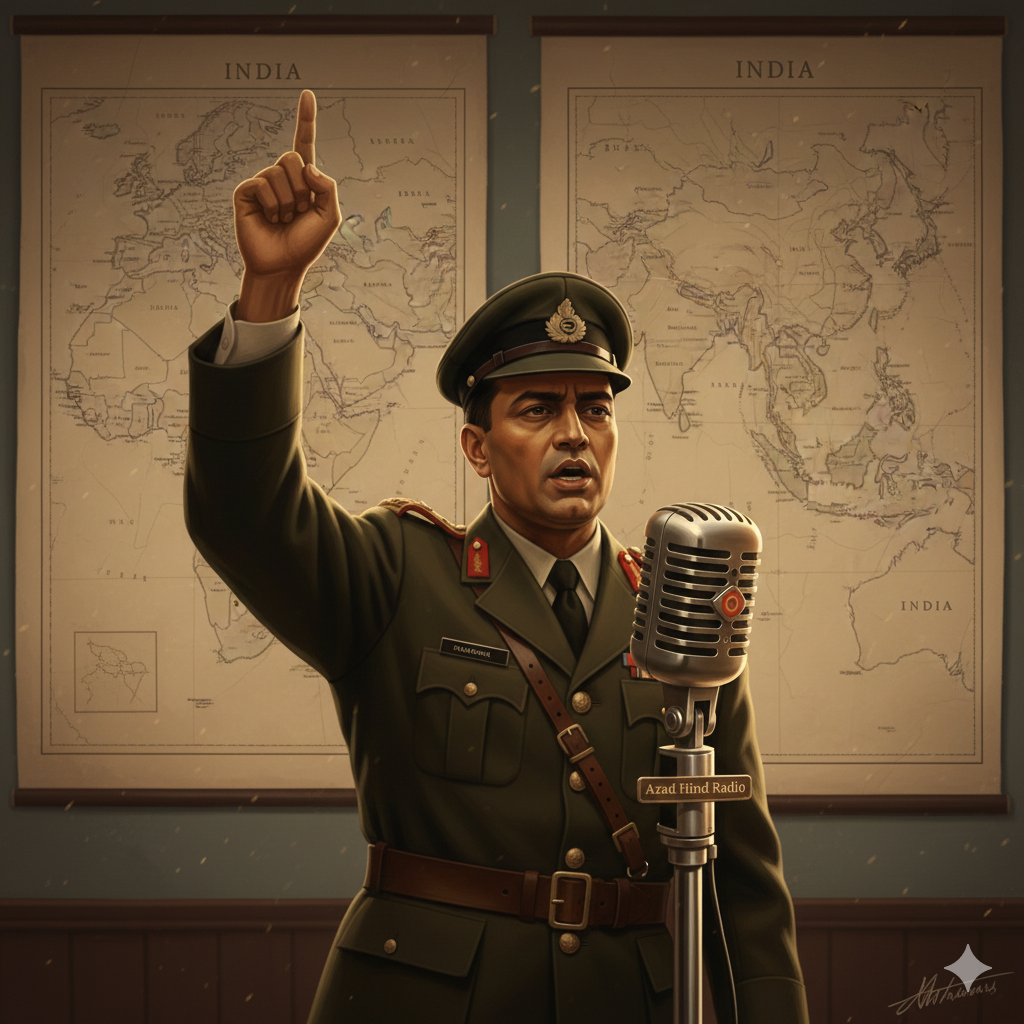
Azad Hind Radio played a crucial role in spreading Subhas Chandra Bose’s message across continents, inspiring Indians at home and abroad with a new sense of hope and resistance. Through powerful broadcasts delivered in multiple languages, Bose exposed British oppression, awakened national consciousness, and urged Indians to rise for complete independence. His voice carried strength, clarity, and determination—turning the radio waves into a weapon of revolution.
These speeches became a lifeline for the INA movement, shaping public opinion, rallying support, and spreading the idea of global solidarity for India’s freedom. Bose’s broadcast messages not only motivated millions but also created an emotional bridge between the freedom fighters abroad and the people in India who longed for liberation.
Declaring the Provisional Government of Free India (1943)
The declaration of the Provisional Government of Free India on 21 October 1943 was a landmark moment in India’s struggle for independence. Subhas Chandra Bose announced this government as the political and moral authority of the freedom movement, giving the cause a structured national identity outside British control. With its own cabinet, national policies, administrative symbols, and the INA as its military arm, the government symbolized India’s readiness to function as an independent nation. It united countless Indians under a single banner of liberation and established a clear alternative to colonial rule.
Bose’s proclamation ignited hope across the Indian diaspora and inspired revolutionary confidence among the INA ranks. By presenting India as a sovereign nation-in-exile, he challenged the legitimacy of British rule on the international stage. This bold political step not only consolidated the INA’s mission but also marked the beginning of a globally recognized campaign for India’s freedom, led by determination, strategy, and an unwavering commitment to independence.
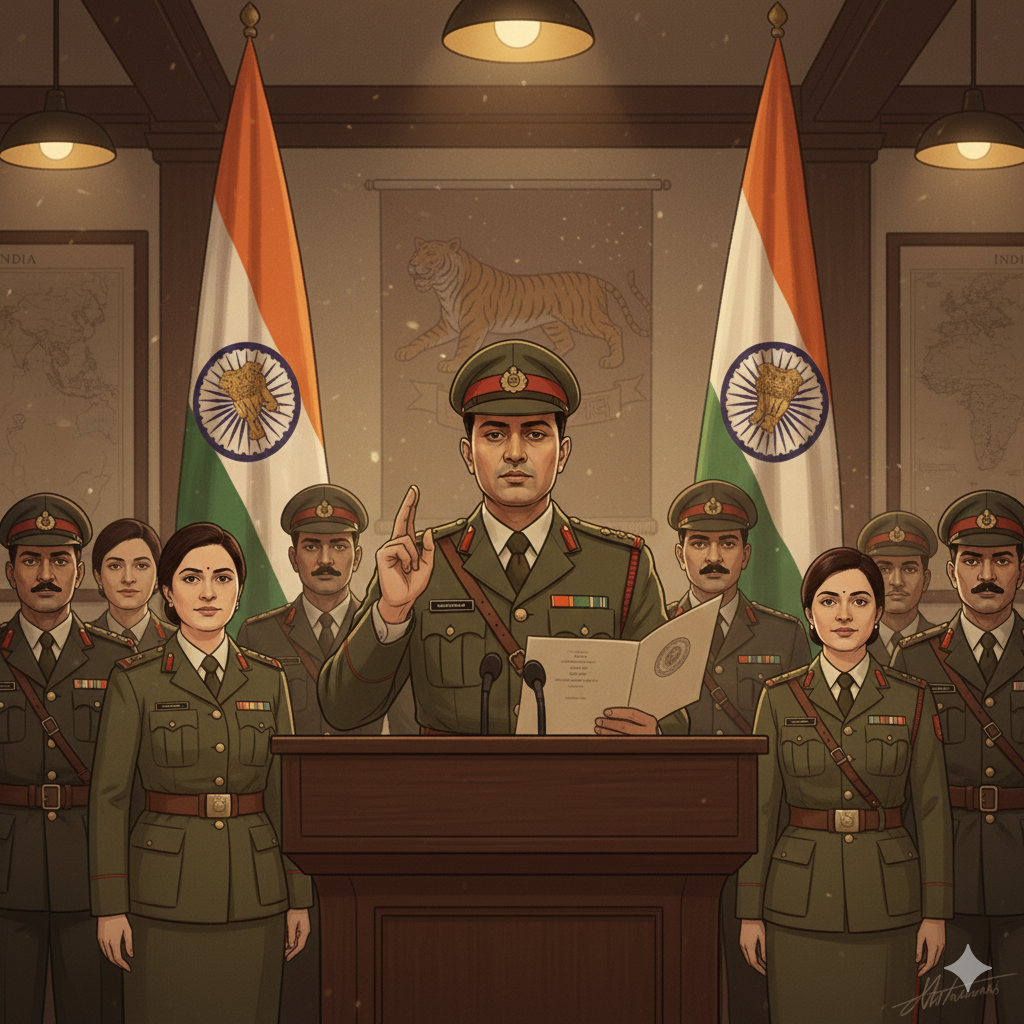

Recognition by Japan, Germany, Italy, Burma, Philippines & Others
The Provisional Government of Free India achieved remarkable international recognition, which greatly strengthened the legitimacy of the INA movement. Nations such as Japan, Germany, Italy, Burma, and the Philippines acknowledged the Azad Hind Government as the rightful representative of India’s struggle for independence. This diplomatic support positioned Bose not just as a revolutionary leader but as a global statesman who effectively placed India’s freedom movement on the international map.
These recognitions opened the door to military assistance, logistical support, and moral backing from several countries engaged in anti-colonial and wartime alliances. The global acknowledgment of Azad Hind gave the INA confidence, resources, and strategic partnerships that strengthened its operations. This international respect illustrated the growing belief that India’s liberation was not just a national aspiration but a global cause worth supporting.
INA Campaigns
Andaman & Nicobar Liberation
The INA, under Subhas Chandra Bose’s leadership, symbolically liberated the Andaman and Nicobar Islands in 1943, renaming them Swaraj and Shaheed. This marked one of the first territories to be declared free from British rule.
Imphal & Kohima Battles
The INA fought alongside Japanese forces in the historic Imphal and Kohima campaigns, showcasing immense courage despite harsh conditions. These battles represented the INA’s most intense military effort to enter Indian soil and challenge British control.