About Subhas Chandra Bose
- Roots of Legacy
Birth & Family Heritage
Netaji Subhas Chandra Bose was born on 23 January 1897 in Cuttack, Odisha, during a period of rising national awakening. He was the ninth of fourteen children in a culturally rich Bengali family. His early childhood was marked by discipline, spirituality, and a deep respect for tradition, shaping his strong moral foundation and inner strength.
His father, Janakinath Bose, was a distinguished lawyer known for integrity and social influence, while his mother, Prabhavati Devi, was compassionate and deeply spiritual. Their household encouraged education, service, and a sense of responsibility toward society. Surrounded by intellectual discussions and nationalistic thoughts, Subhas developed a strong desire to contribute to the nation’s betterment.
Growing up in an educated and patriotic environment, he was influenced by the rising voice for independence and the struggle against British rule. The values instilled in him at home nurtured his leadership qualities, determination, and courage. This foundation later shaped his revolutionary mindset and guided his remarkable journey from a brilliant student to one of India’s greatest freedom fighters.
Growing up in such a culturally enriched household, Subhas was exposed to both Indian philosophical teachings and Western education, giving him a unique worldview from an early age. His family library, filled with books on history, politics, and spirituality, nurtured his intellectual curiosity and leadership instincts. Surrounded by conversations on nationalism and social reform, he learned the importance of courage, self-discipline, and sacrifice—values that later shaped his revolutionary vision and lifelong dedication to India’s freedom.

- Academic & Early Struggle
Education & Intellectual Formation
Presidency College, Kolkata
Studied at Presidency College, where early conflicts with British authority strengthened his revolutionary spirit and nationalist beliefs.
Scottish
Completed his graduation with academic excellence, gaining deeper philosophical understanding and leadership qualities that shaped his future vision.
Indian Civil Services
Excelled in the prestigious ICS exam but resigned courageously, rejecting British rule to serve India’s freedom struggle.
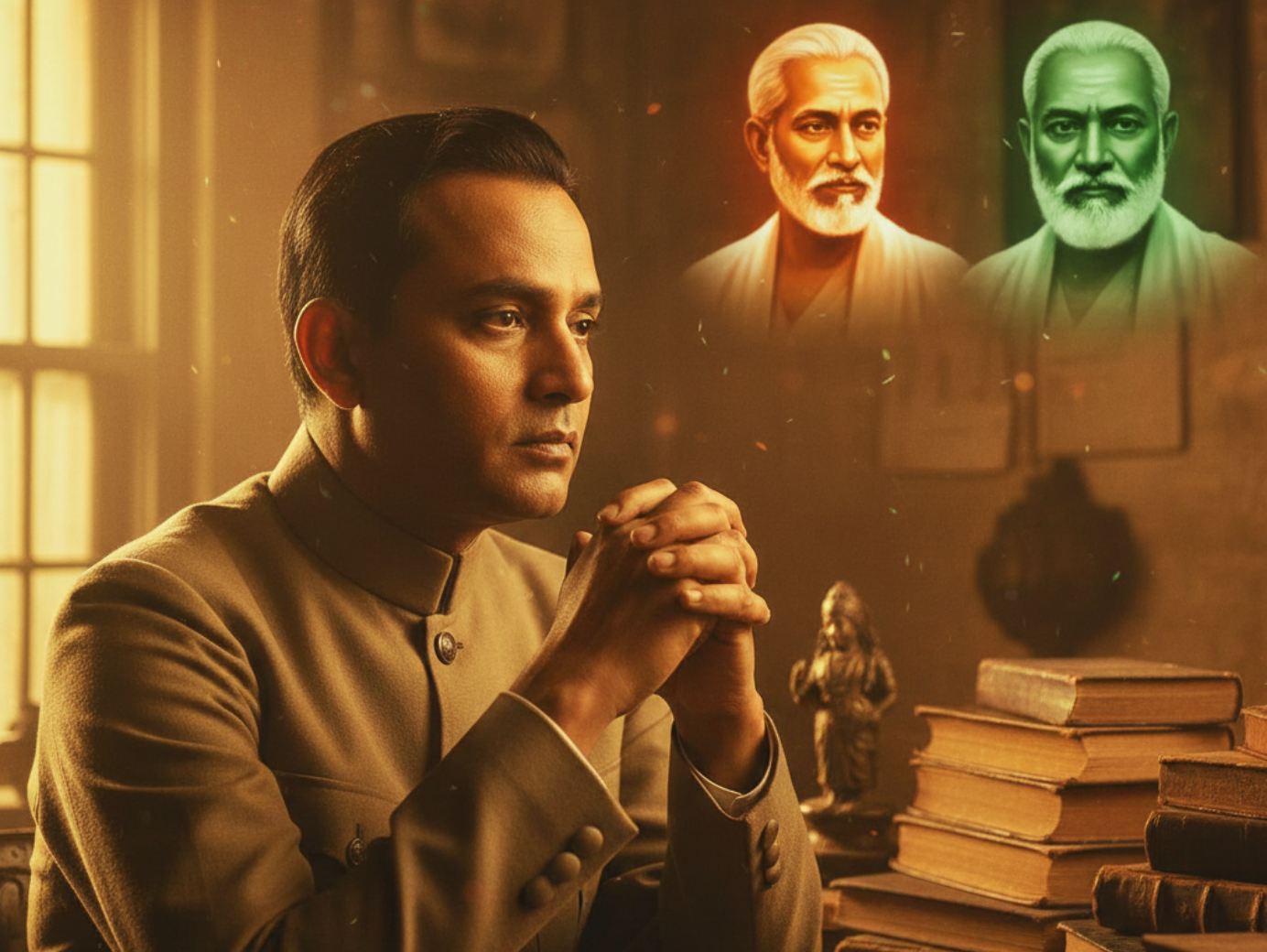
Influence of Swami Vivekananda & Sri Aurobindo
Netaji Subhas Chandra Bose was profoundly inspired by the teachings of Swami Vivekananda and Sri Aurobindo, whose spiritual nationalism shaped his ideology and leadership. Swami Vivekananda’s message of strength, fearlessness, and service to the nation awakened in him a deep sense of duty and self-discipline. Sri Aurobindo’s revolutionary vision and call for complete independence strengthened his resolve to fight British rule. Their philosophical guidance laid the foundation for Netaji’s commitment to spiritual strength, national unity, and uncompromising freedom.
Mentorship of Chittaranjan Das
Netaji Subhas Chandra Bose was deeply influenced by Chittaranjan Das, a prominent lawyer and nationalist leader. Under Das’s mentorship, Bose learned the importance of strategic thinking, political negotiation, and selfless service to the nation. Das guided him in understanding the nuances of leadership, organizational skills, and the power of inspiring people toward the cause of independence. This mentorship strengthened Netaji’s resolve to challenge British rule and laid the foundation for his future as a fearless revolutionary and visionary leader.
Early Imprisonment
Netaji Subhas Chandra Bose faced imprisonment multiple times during his early political activities due to his outspoken opposition to British rule. His fearless involvement in nationalist movements and participation in civil protests made him a prominent target for colonial authorities. Despite harsh treatment, isolation, and deteriorating health in jail, his determination never weakened. Instead, imprisonment strengthened his resolve, deepened his commitment to India’s freedom, and transformed him into an even more resilient and respected revolutionary leader.