The Final Flight & Mystery of Disappearance
Disguise & Midnight Escape
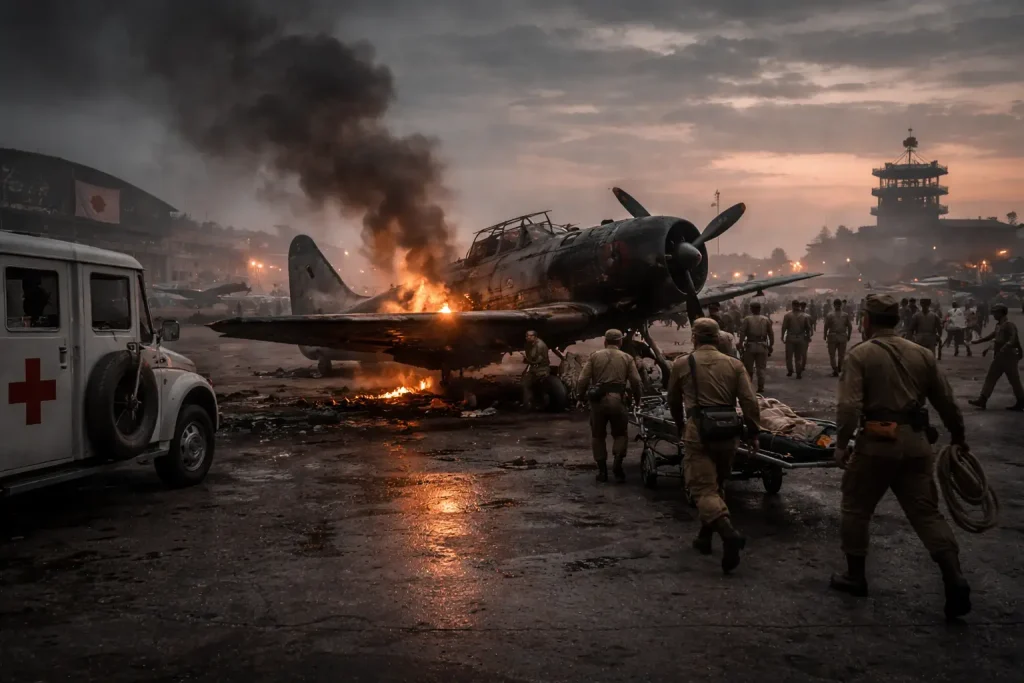
In August 1945, reports emerged that Subhas Chandra Bose died following an air crash at Taihoku (now Taipei) in Japanese-occupied Taiwan. According to Japanese accounts, the aircraft caught fire shortly after takeoff, and Bose succumbed to severe burns. Contemporary testimonies from military personnel and medical staff formed the foundation of this version. However, the absence of independently verified physical evidence left room for enduring debate.
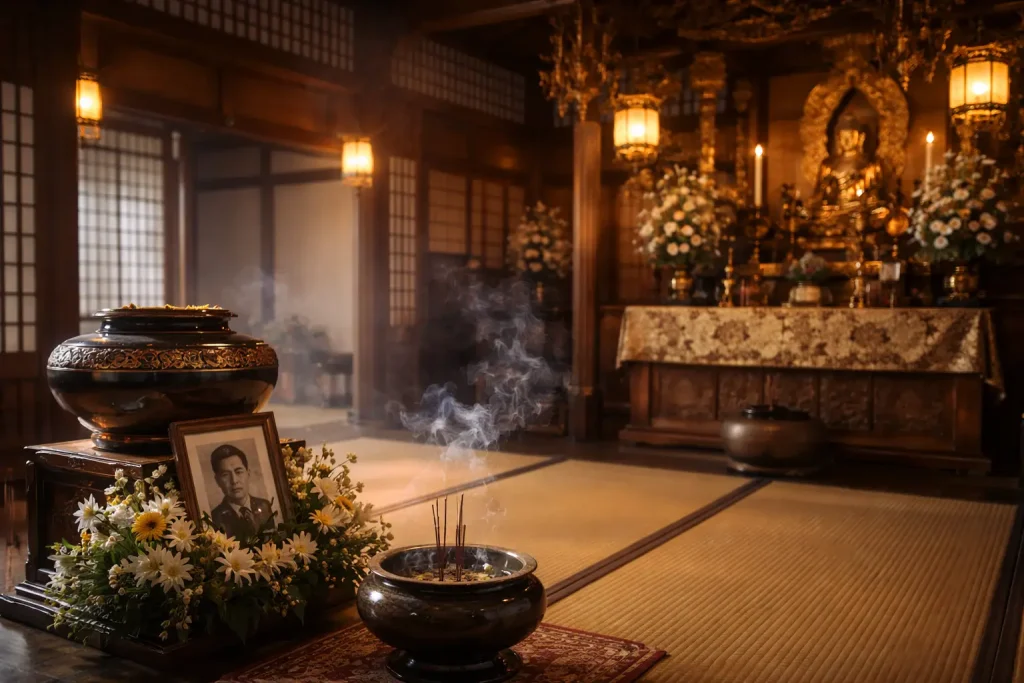
Ashes at Renkoji Temple (Japan)
The remains believed to be Bose’s were said to have been preserved at Renkoji Temple in Tokyo. Japanese authorities transferred the ashes there, where they have been kept with ritual respect for decades. Several Indian delegations have visited the temple over the years. Yet questions regarding forensic authentication and repatriation have continued to fuel public curiosity and calls for scientific examination.
Shah Nawaz Committee (1956)
In 1956, the Government of India formed a committee led by Shah Nawaz Khan to investigate Bose’s reported death. After examining witness testimonies and available documents, the committee concluded that Bose had indeed died in the 1945 air crash. Despite its official conclusion, dissenting opinions and public skepticism persisted, keeping the controversy alive.
Khosla Commission (1970)
To re-examine the matter, the government appointed the G. D. Khosla Commission in 1970. The commission reassessed earlier testimonies and reviewed additional evidence. Its findings largely supported the air crash theory. Nonetheless, critics argued that inconsistencies and missing records still warranted deeper scrutiny.
Mukherjee Commission (2005)
Decades later, the Manoj Kumar Mukherjee Commission conducted a fresh inquiry, submitting its report in 2005. After extensive investigation, it concluded that Bose did not die in the Taipei crash and that the ashes at Renkoji Temple were not conclusively proven to be his. However, the Government of India did not accept this conclusion, adding another layer to the historical puzzle.
Subroto Mitra Evidence Files
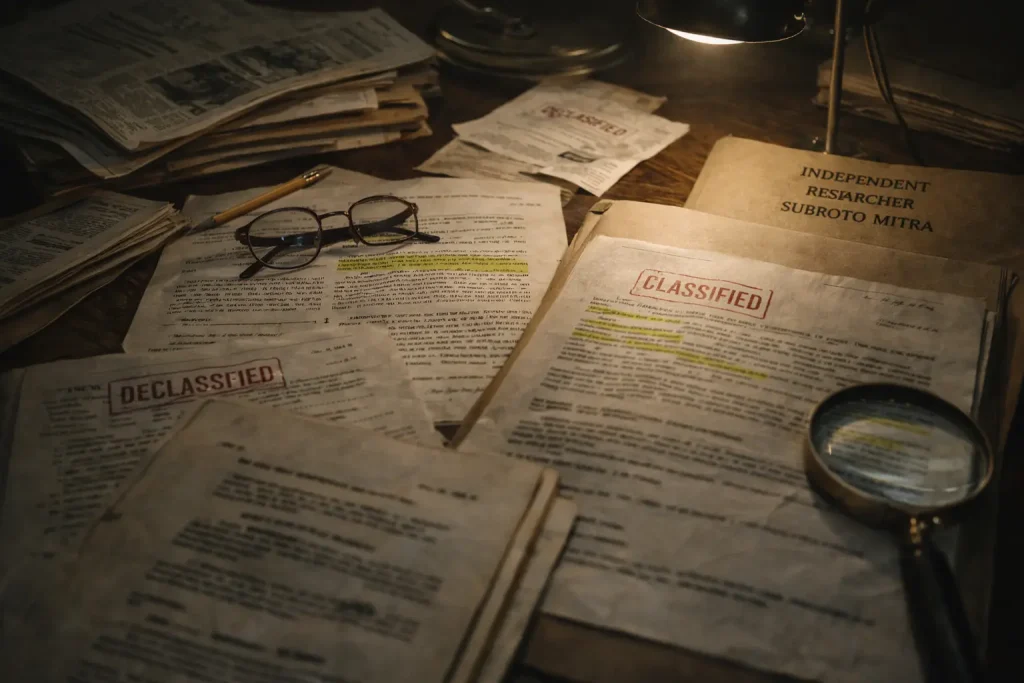
Independent researcher Subroto Mitra compiled alternative evidence files examining inconsistencies in official reports, eyewitness accounts, and intelligence records. His documentation contributed to renewed public discussions, encouraging scrutiny of classified archives and cross-national sources. While not an official inquiry, these files became part of the broader discourse surrounding Bose’s fate.
Popular Theories & Investigations
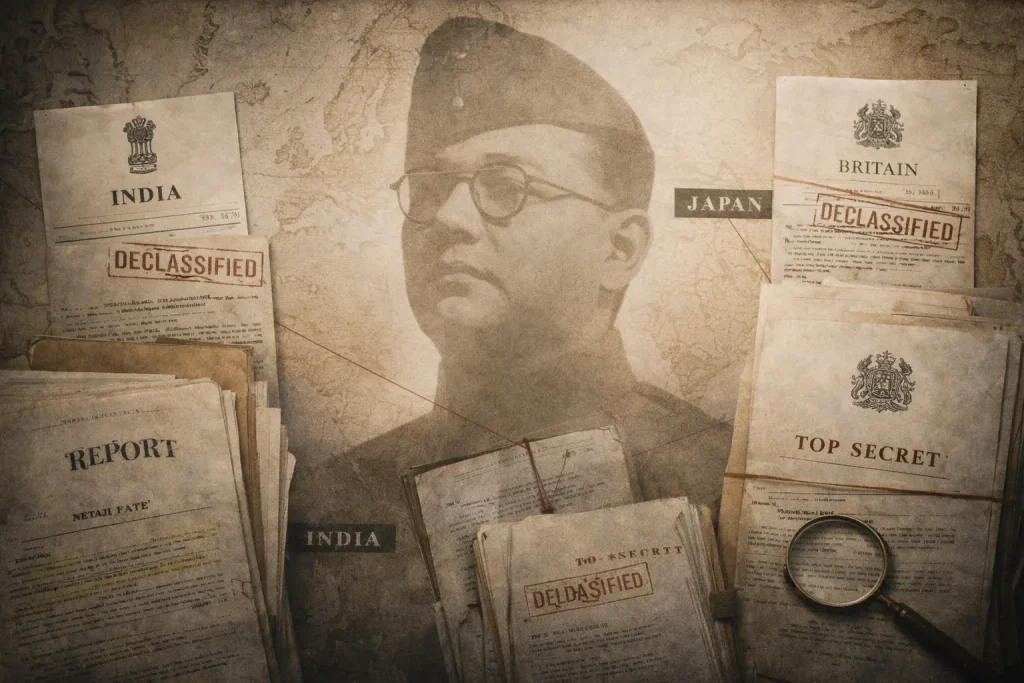
Beyond official commissions, multiple theories have emerged — ranging from survival narratives to claims of secret exile. Historians and investigative journalists have analyzed intelligence documents from India, Japan, Russia, and Britain. While the air crash version remains the officially accepted account by the Indian government, the absence of universally accepted forensic confirmation continues to inspire research and debate.